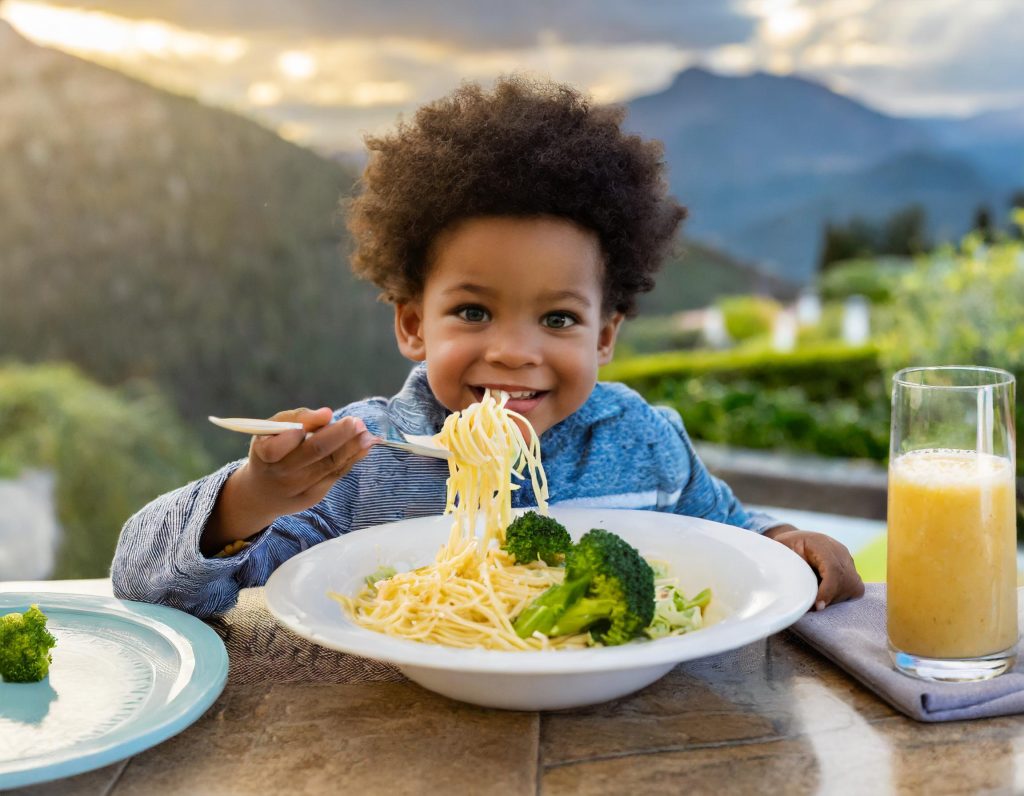
Early childhood is a critical time for establishing lifelong eating habits and preferences. At Mini Meals, we believe that every bite a child takes is a chance for them to grow, learn, and discover something wonderful. Promoting food diversity during this time ensures children receive a balanced diet that supports growth, development, and overall health. This blog article explores why food diversity is important, gives strategies to encourage diverse eating habits, and outlines tips for creating a positive mealtime exercise for young children.
Why is food diversity important?
Different foods do different jobs for a growing body. One snack might help with energy for playground games, while another supports a strong immune system so they can keep exploring. Research shows that eating patterns and habits established in early childhood tend to continue into adulthood. Therefore, starting healthy and diverse eating habits at a young age helps to significantly lower the risk of chronic diseases later in life.
When food variety is limited, it can lead to nutrient deficiencies. By offering a diverse range of foods, it helps to reduce the risk of deficiencies and supports optimal health and immunity. Encouraging kids to eat a variety of fruits, vegetables, protein, whole grains, and dairy ensures they receive a broad spectrum of vitamins, minerals, and other vital nutrients.
By exposing kids early to diverse flavours and textures, it helps to expand children’s palates and encourages them to accept new foods, which reduces picky eating behaviour. It’s also a lovely way to teach children about the world. Introducing foods from different cultures helps foster curiosity and an appreciation for different traditions. It turns lunchtime into a small adventure where they can learn about the diversity of the community around them.
Strategies to promote food diversity
We know how busy life in a daycare centre or a family home can be. Here are a few simple ways to make mealtimes a positive experience:
- Follow the rainbow. Encourage children to eat a variety of fruits and vegetables of different colours. This ensures a range of nutrients and makes meals visually appealing.
- Mix the old with the new. Regularly introduce new foods with familiar favorites. Gradually increase exposure to less familiar foods to encourage their acceptance.
- Include foods from different food groups. Aim for a balanced plate that includes fruits, vegetables, whole grains, lean proteins, dairy/dairy alternatives. This provides a good mixture of nutrients.
- Get them involved. Children love to help. When they get to help with simple cooking or meal prep, they feel a sense of ownership. They’re much more likely to try a veggie they helped wash or a sandwich they helped put together.
- Celebrate cultural foods. Explore foods from different cultures. Share traditional recipes and foods during special occasions.
- Model healthy eating habits. Children learn by example, so demonstrate positive eating behaviours by showing them how you enjoy a variety of foods and are excited to try new things.
Diversify the plate with Mini Meals
Promoting food diversity in early childhood is crucial for supporting overall health, expanding palates, and fostering cultural appreciation. By creating positive mealtime experiences and introducing a wide array of flavours, childcare providers play an essential role in establishing lifelong habits.
Mini Meals by Cater Care supports this goal by providing expertly crafted, nutritious menus that make diverse eating easy. We partner with childcare providers in this journey, offering balanced, kid-friendly meals that celebrate food diversity without the stress of prep. Together, we give children the opportunity to enjoy a diverse and nutritious diet that supports their growth and development.
If useful for your childcare to print off or share with parents, download our factsheet click here.
For more information, please visit:
Nutrients: Tracking DIetary Patterns over 20 Years from Childhood through Adolescence into Young Adulthood: The Saskatchewan Pediatric Bone Mineral Accrual Study https://www.ncbi.nlm.nih.gov/pmc/articles/PMC5622750/
Healthy Eating Advisory Service; Introducing New Foods To Children https://heas.health.vic.gov.au/wp-content/uploads/2023/03/OSHC-Introducing-new-foods-to-children.pdf